Why Professional Radon Testing Services Matter for St. Louis Homeowners
I spent years in the field before I fully understood how deceptive radon gas can be. You cannot see it, smell it, or taste it. It slips through cracks in the foundation, collects in basements, and slowly elevates the risk of lung cancer for everyone who breathes the air inside. In St. Louis, the geology makes this problem more common than many people realize. That is why professional radon testing services matter more than a DIY kit can ever match.
The Local Reality of Radon in St. Louis
St. Louis sits on a mix of soil and rock that can contain uranium. As that uranium decays, radon gas is released. The gas moves up through the ground and into homes through the path of least resistance. I have tested houses in Creve Coeur, Kirkwood, and downtown lofts. The results vary widely. One house might show a radon level of 2 pCi/L, while the neighbor’s house, built the same year, hits 8 pCi/L or higher. The only way to know is to test. And not just once, because radon levels change with the weather, the season, and how the house is used.
Many homeowners assume that if their neighbor tested low, they are safe. That assumption is wrong. Soil composition shifts over short distances. A new driveway, a sump pump repair, or even a shift in the water table can alter how radon enters a home. That unpredictability is exactly why radon testing services need to be handled by someone who understands the local conditions and can interpret the results in context.
Short-Term Tests vs. Long-Term Tests
A short-term radon test usually lasts two to seven days. You place a small device in the lowest lived-in level of the house, keep windows closed as much as possible, and mail it to a lab. These tests are useful for a quick snapshot, especially during a real estate transaction. But they have limits. If the weather is windy or the furnace is running hard, the reading might be skewed. A long-term radon test, running 90 days or more, gives a much better picture of the average radon level throughout the year.
When I talk to homeowners, I recommend starting with a short-term radon test to see if there is an immediate concern. If the result is 4 pCi/L or higher, the EPA advises taking action to reduce the level. But I also suggest a long-term test to confirm that the radon reduction efforts are working over time. The continuous radon monitor is another option. It plugs into a wall outlet and records radon levels hour by hour. This device is especially useful during radon system installation because you can see how the radon fan affects the concentration in real time.
Why Professional Testing Services Make a Difference
A DIY charcoal test kit from the hardware store costs around fifteen dollars. A professional test, done by a company like Air Sense Environmental, costs more. But the difference goes beyond price. Professional radon testing services include proper placement, documentation, and interpretation. I have seen DIY kits placed in bathrooms right next to the shower, where steam and humidity ruin the sample. I have seen kits set on a shelf in a finished basement, three feet from an open window. Those results are worthless.
When a professional handles the test, they follow the EPA’s protocol exactly. They place the monitor in the right spot, away from drafts, heat sources, and exterior walls. They seal the house for the required period. They log the conditions. If the test is part of a real estate disclosure, having a certified professional’s report adds credibility that a DIY result simply cannot provide. Buyers and sellers both benefit from that trust.
Beyond accuracy, professional radon testing services also provide a baseline for any future radon mitigation work. If the test shows elevated levels, the next step is radon mitigation. A professional can look at the test data and the house’s construction to decide whether soil suction, sub-slab depressurization, or another method will work best. Without a solid test, you are guessing.
How Radon Mitigation Works After Testing
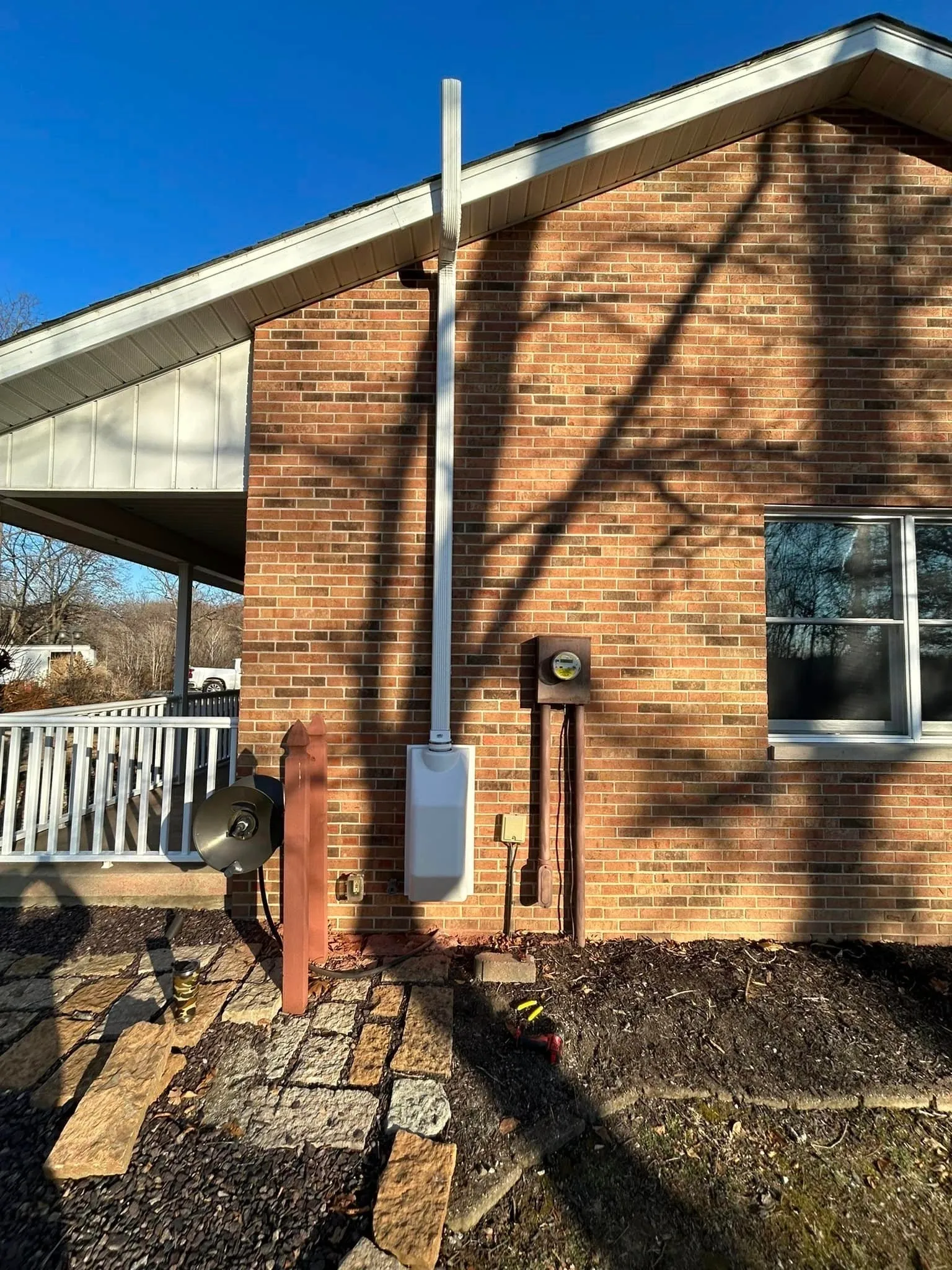
If the radon level is above 4 pCi/L, the standard approach is sub-slab depressurization. A hole is drilled through the basement floor, a pipe is inserted into the gravel underneath, and a radon fan is installed to pull the gas from beneath the slab and vent it safely above the roofline. This is not a simple job. The fan must be sized correctly for the house’s footprint and soil permeability. The pipe must be sealed properly. The vent must be placed so the gas does not re-enter the house through a window or air intake.
After the system is installed, post-installation verification is critical. You run another test to confirm that the radon level has dropped below the action level. This verification step is part of the overall radon system installation service that companies like Air Sense Environmental provide. I have seen systems that looked perfect but failed to reduce levels because the fan was undersized or the seal around the pipe was not airtight. A verification test catches those problems.
The Health Stakes Are Real
The health effects of radon are not theoretical. The EPA estimates that radon causes about 21,000 lung cancer deaths per year in the United States. That makes it the second leading cause of lung cancer after smoking. For smokers, the combined risk is even higher. The radioactive particles from radon gas damage the cells lining the lungs. Over years of exposure, that damage can lead to cancer. Unlike a chemical spill or a car accident, radon does not announce itself. You have to go looking for it.
That is why I tell every homeowner I meet: test your home, not just once, but periodically. If you make changes to the foundation, add a new addition, or even seal a major crack, test again. Radon levels can rise after construction changes because the gas finds a new entry point.
Real Estate Disclosure and Radon
Missouri does not require a radon test for real estate transactions, but many buyers ask for one anyway. Sellers who have a recent test result from a professional radon testing service can provide it upfront. That transparency can speed up the sale and reduce negotiation headaches. I have seen deals fall apart because a DIY test came back high and the buyer did not trust the result. A professional test, with a clear report and a mitigation plan if needed, keeps everyone on the same page.
If the test shows elevated levels, the seller can choose to install a radon reduction system before closing. That is usually a better option than leaving it for the buyer to handle later. The cost of radon mitigation is modest compared to the stress of a delayed closing or a lawsuit over undisclosed defects.
Maintaining Your Radon System
A radon mitigation system is not a set-it-and-forget-it appliance. The radon fan needs to run continuously. If the fan fails, the radon level can climb back up within days. A continuous radon monitor can alert you if the level rises unexpectedly. Some systems include a manometer that shows whether the fan is drawing the correct vacuum. Checking that gauge every few months is a good habit. If the reading changes, call a professional to inspect the system.
I also recommend a long-term radon test every two to five years, even if the system seems to be working. Soil conditions shift. Neighbors dig new foundations. The water table changes. A test is cheap insurance against an invisible threat.
Professional radon testing services are not an expense to skip. They are an investment in your health and your home’s value. Whether you are buying, selling, or just want to breathe easier, start with a proper test. From there, you can decide whether radon mitigation is needed. And if it is, you will have the data to make the right choice.